Tracking improvements to reduce anxiety

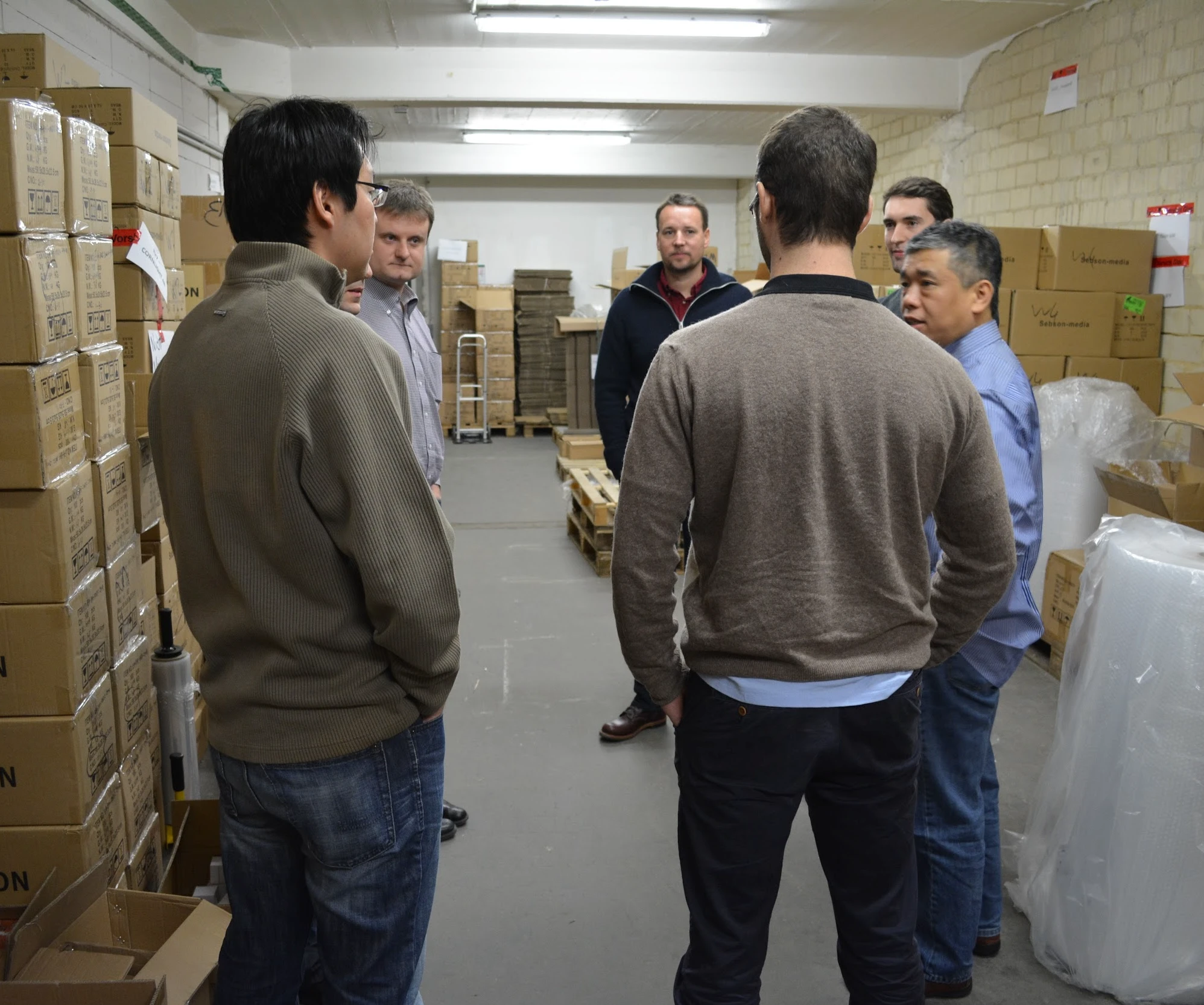
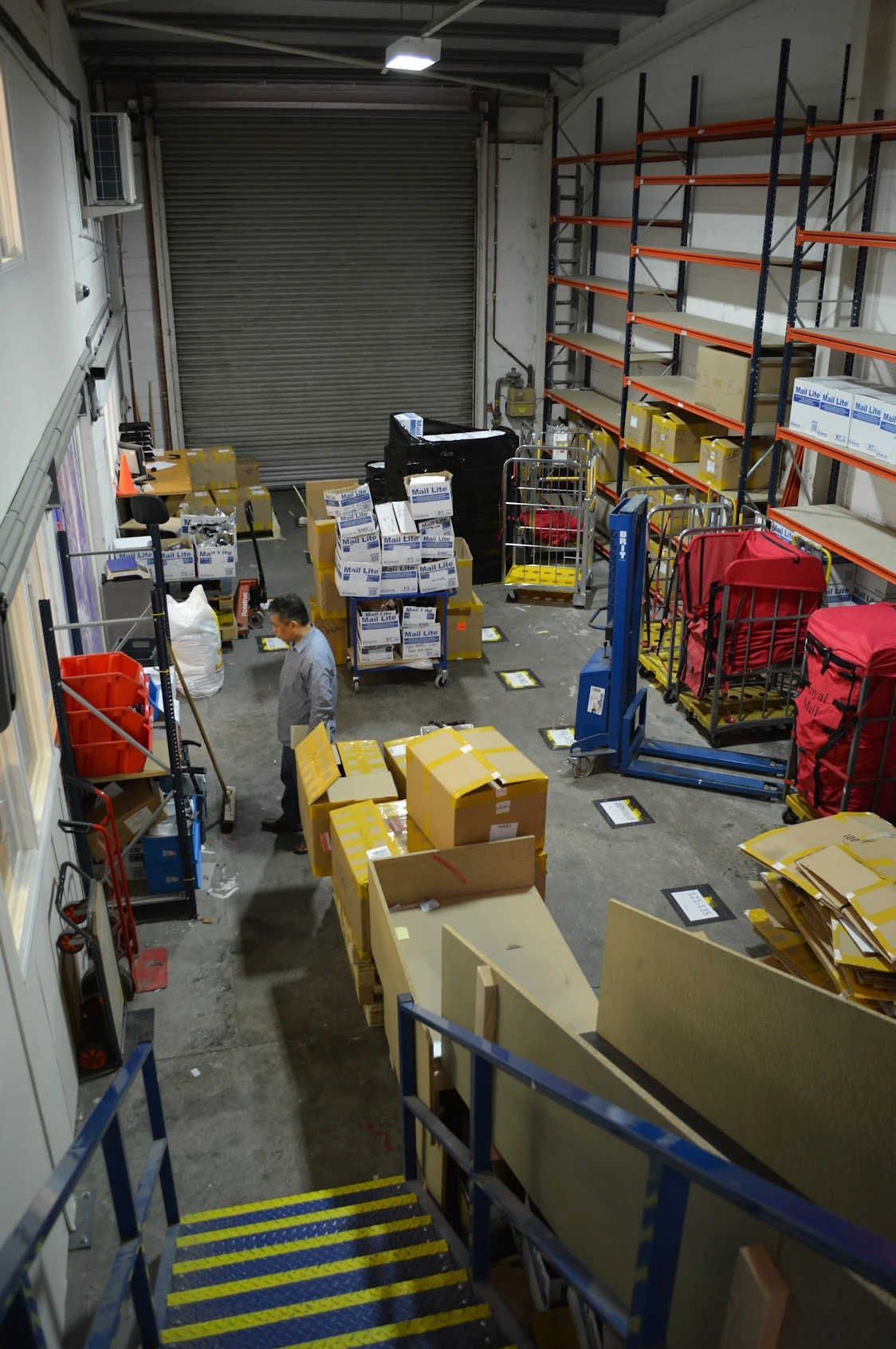
Merchants trust Amazon to handle their inventory with care. But a lack of clear visibility into the inventory lifecycle can lead to anxiety and increased support requests. This project tackled this challenge head-on, building tools to empower merchants with real-time tracking and proactive insights, fostering trust and reducing uncertainty. (Image on the left: A merchant's facility where they prepare and ship out inventory to Amazon's fulfillment centers. This image represents the initial point of trust as merchants hand over their valuable goods.) (Background faded image: A wide shot showcasing the vast scale of an Amazon fulfillment center. Rows upon rows of shelves filled with inventory stretch into the distance, illustrating the complexity of managing millions of products and the potential for merchants to feel disconnected from their own stock.)

Opportunity

Long, unpredictable lead times hampered merchant forecasting and increased costs. Inconsistent communication about inventory location and processing times exacerbated the problem. This project aimed to empower merchants with the tools and insights needed to streamline operations, reduce costs, and improve their performance on Amazon.

Goal

This project aimed to improve merchant communication and reduce support contacts by providing clear, real-time visibility into inventory lead times. By empowering merchants with accurate delivery estimates, we sought to enable better planning and proactive issue resolution, ultimately reducing anxiety and improving the overall merchant experience.

My Role

  • Lead Product Designer
  • Active FBA Seller

Tools

  • Axure (Interactive prototypes)
  • Sketch

Timeline

  • Initial kickoff - Dec 2018
  • Product launch - Sept 2021
Identifying the opportunity
German based Merchant selling lightbulbs globally

Identifying the opportunity

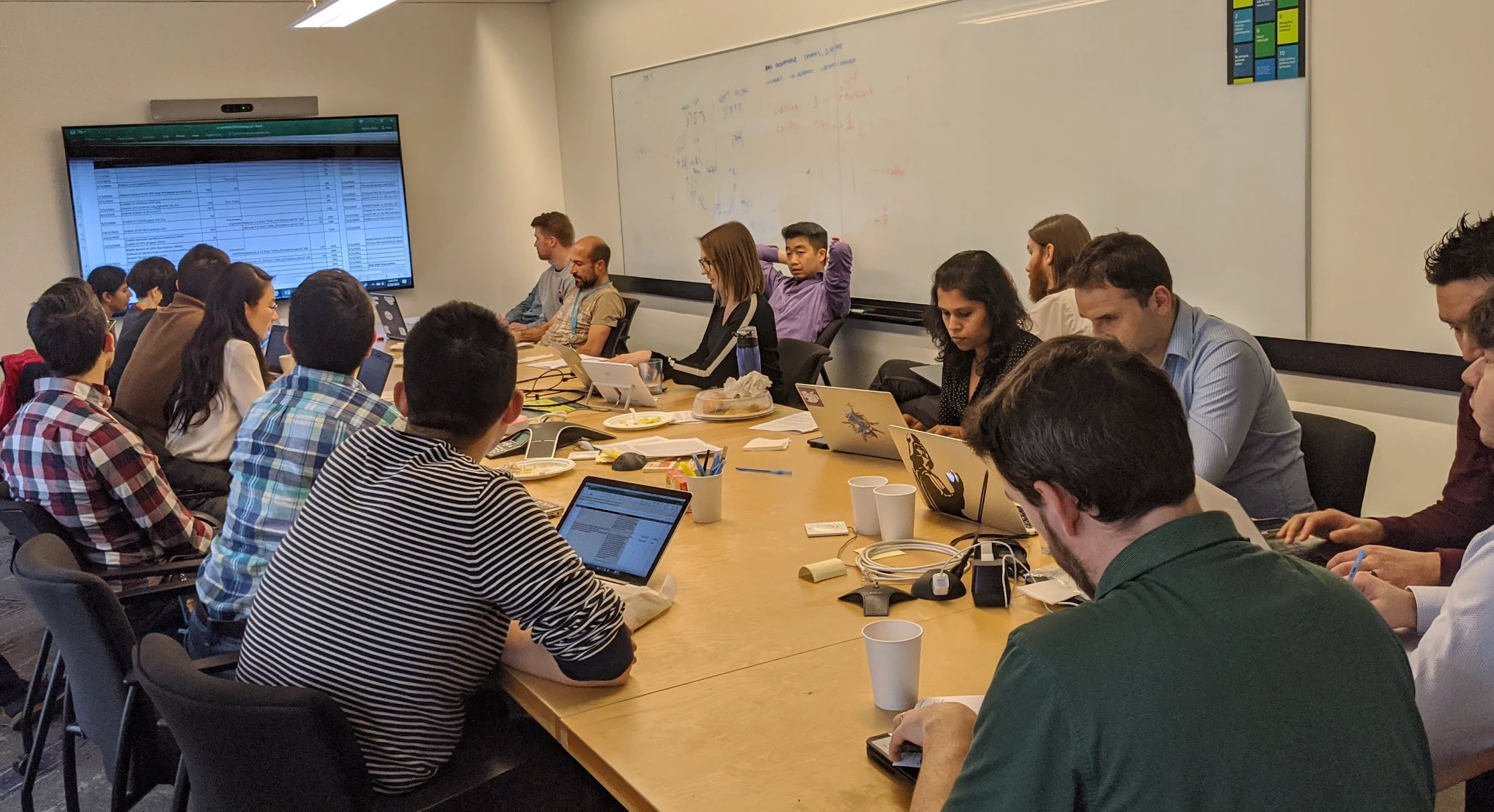
Understanding the true pain points of merchants required a collaborative, boots-on-the-ground approach. Our product and UX team embarked on dozens of site visits across the US and Europe, the primary focus of this tracking project. These weren't just fact-finding missions; they were immersive experiences designed to understand the daily realities merchants faced and the anxieties they encountered.

These firsthand experiences were invaluable. They provided the human context and nuanced understanding that were essential for developing effective UX solutions and truly addressing the merchants' needs.

German based Merchant selling lightbulbs globally

  • Focus on Key Markets: We concentrated our efforts on the US and European markets, visiting a diverse range of merchants, from small family businesses to large multinational corporations. This allowed us to identify region-specific challenges while also uncovering common themes across different business scales.
  • Observing the Shipping Journey: We followed the entire shipping process, from the moment a merchant prepared their inventory to the point of delivery at an Amazon fulfillment center. We witnessed the care and attention merchants invested in this process, reinforcing the critical need for transparency and reliable tracking.
  • The Universal Language of Anxiety: Regardless of size or location, the anxiety surrounding inventory visibility was palpable. Merchants expressed frustration with the "black box" nature of the supply chain, often unsure of where their products were or when they would be available for sale. One merchant in the UK requested a way to switch from Amazon fulfilled to Merchant fulfilled if inventory levels were running low and stock was still being processed, however there was no way to know when to switch.
  • Planning and Prediction: The lack of real-time tracking and predictable lead times significantly hampered merchants' planning. Many shared stories of missed sales opportunities due to out of stock situations, or the financial burden of overstocking to mitigate uncertainty. A European merchant explained how unpredictable delays could disrupt their entire production schedule, impacting downstream operations.
  • Data vs. Reality: Our on-site visits revealed the limitations of relying solely on aggregated data. While overall lead time averages might appear acceptable, the variability within those averages created significant challenges. We observed that this unpredictability had a far greater impact on merchant planning than the average lead time itself.
Unveiling the Story: Data, UX, and the Merchant Experience
Thankfully Amazon is a very data driven company

Unveiling the Story: Data, UX, and the Merchant Experience

Thankfully Amazon is a very data driven company

Gaining access to the critical data needed to understand the merchant experience required a concerted effort within Amazon. While operational teams focused on efficiency and throughput, our UX team recognized the crucial connection between data transparency and merchant well-being. We championed the need to bridge the gap between operational metrics and the anxieties expressed by sellers. This involved a multi-pronged approach:

This integrated approach, combining data analysis with UX research and advocacy, allowed us to unveil the true story of the inbound workflow. It provided the evidence needed to justify UX improvements and influence operational changes, ultimately leading to a better experience for Amazon's merchants.

  • Building Bridges with Operations: We initiated open communication with operations teams, explaining how UX insights could contribute to their goals. We demonstrated how improved communication and reduced merchant frustration could ultimately lead to a more streamlined and efficient workflow. This often involved challenging existing processes and advocating for a more merchant-centric perspective.
  • Data Mining for Insights: We worked closely with data analysts to uncover hidden stories within existing datasets. While aggregate metrics provided a high-level view, we needed to drill down to understand the variability and exceptions that were causing merchant anxiety. For example, analyzing support call transcripts revealed recurring themes of confusion and frustration related to inventory tracking, providing powerful qualitative data to complement the quantitative metrics.
  • Connecting the Dots: We correlated operational data (lead times, processing times, error rates) with merchant feedback (support call volume, survey responses, forum discussions). This allowed us to quantify the impact of operational inefficiencies on merchant anxiety and frustration. We discovered, for instance, a direct correlation between spikes in lead time variability and increases in support calls related to "where is my inventory?"
  • Visualizing the Merchant Journey: We created visual representations of the inbound workflow, highlighting pain points and areas of uncertainty. These visualizations helped to communicate the merchant perspective to operational teams, illustrating the impact of their processes on the overall merchant experience.
  • The Power of Empathy: We shared recordings of merchant interviews and support calls, bringing the human voice into the data discussion. These stories helped to personalize the data and create a shared understanding of the problem.
Bridging the Gap: Evangelizing the UX Solution and Building Intuitive Interfaces
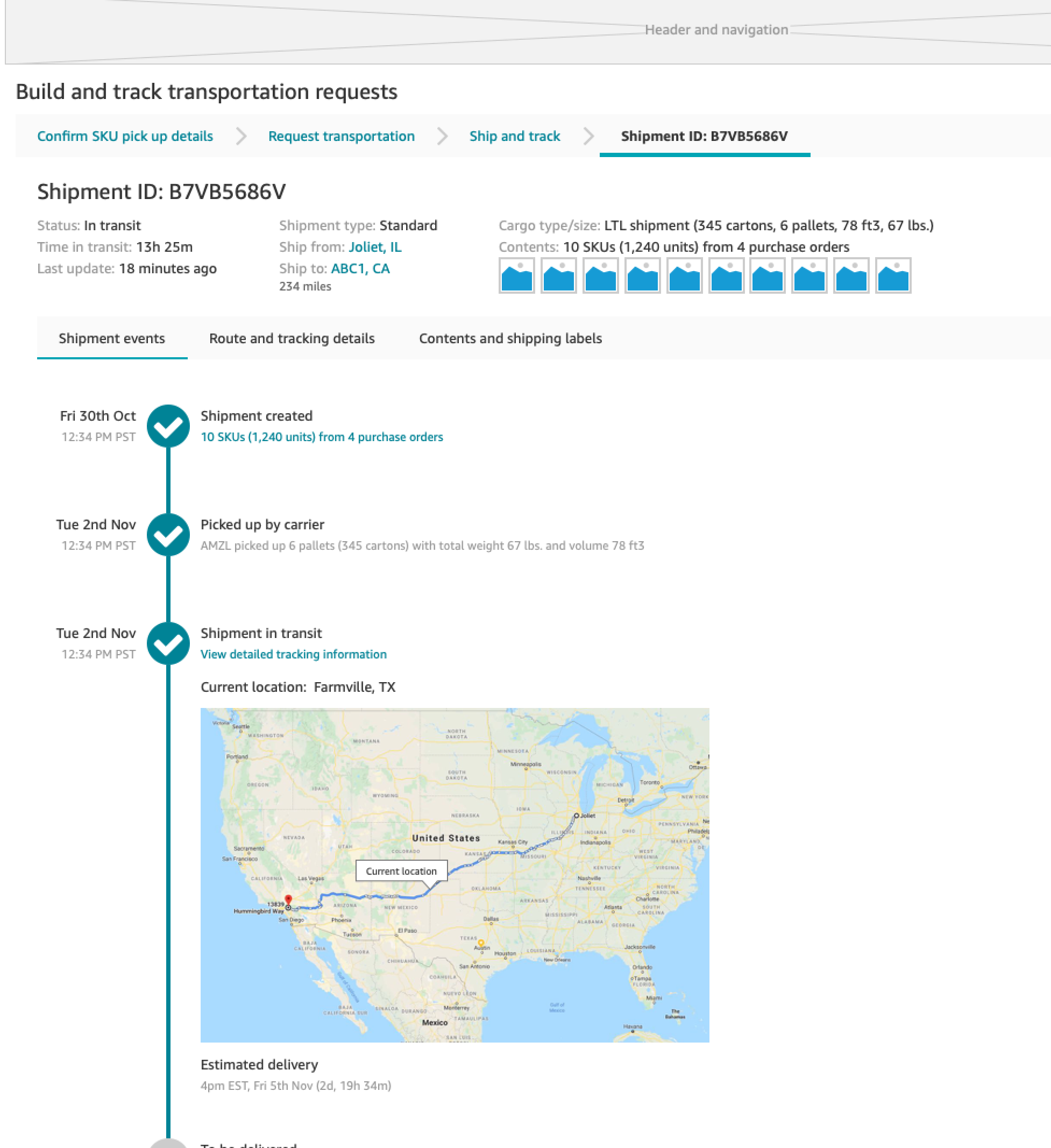
Shipment events allowed us to adapt to the different types of inbound and event related data points.

Bridging the Gap: Evangelizing the UX Solution and Building Intuitive Interfaces

Translating the insights gleaned from our research into tangible improvements required a two-pronged approach: evangelizing the value of UX within Amazon and designing intuitive interfaces that would empower merchants.

Shipment events allowed us to adapt to the different types of inbound and event related data points.

  • Evangelizing the UX Vision: We presented our findings to stakeholders across product, engineering, and operations, emphasizing the direct link between merchant satisfaction and business success. We showcased the impact of anxiety and uncertainty on merchant behavior, demonstrating how improved communication could lead to increased sales, reduced support costs, and stronger merchant loyalty. This involved data-driven presentations, user story sharing, and demonstrating the potential ROI of investing in UX improvements.
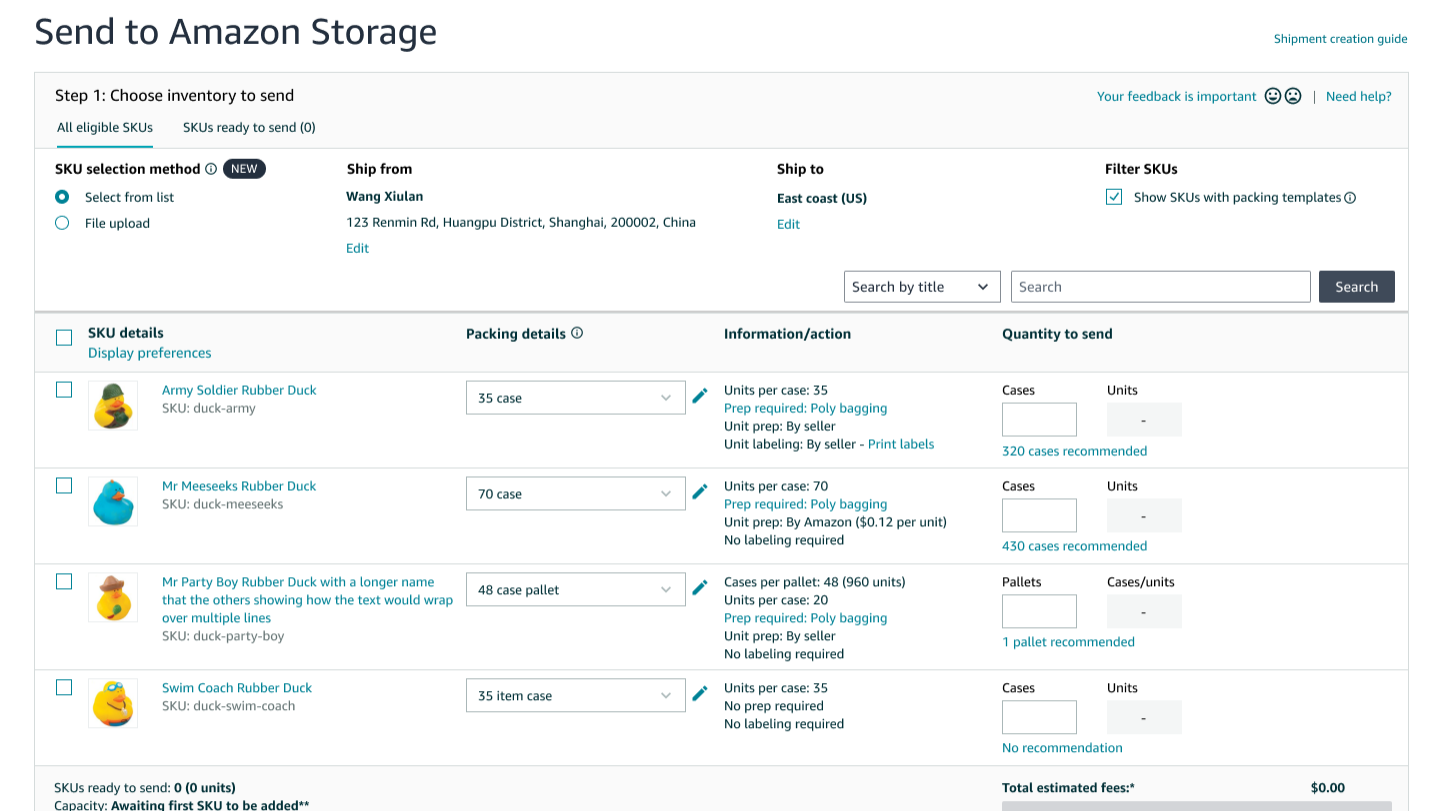
  • Designing for Clarity and Control: Our UX team focused on creating interfaces that would bridge the communication gap between operations and merchants. We moved away from abstract operational terminology and embraced language that resonated with sellers. This involved extensive user testing and iterative design, ensuring that the interfaces were intuitive and easy to navigate.
  • Introducing "Shipment Events": A key innovation was the introduction of "Shipment Events," a step-by-step UI designed to provide both historical and predictive insights into the inventory journey. This feature offered granular details about each stage of the inbound workflow, from shipment creation to delivery at a fulfillment center.
  • Iterative Development and User Feedback: We adopted an agile development process, releasing features incrementally and gathering continuous user feedback. This iterative approach allowed us to refine the interfaces based on real-world usage, ensuring that the final product met the needs of our merchants.
  • Empowering Merchants: The ultimate goal was to empower merchants with the information and control they needed to manage their inventory effectively. By providing clear visibility into the inbound workflow, we aimed to reduce anxiety, improve planning, and foster a stronger sense of partnership between merchants and Amazon.