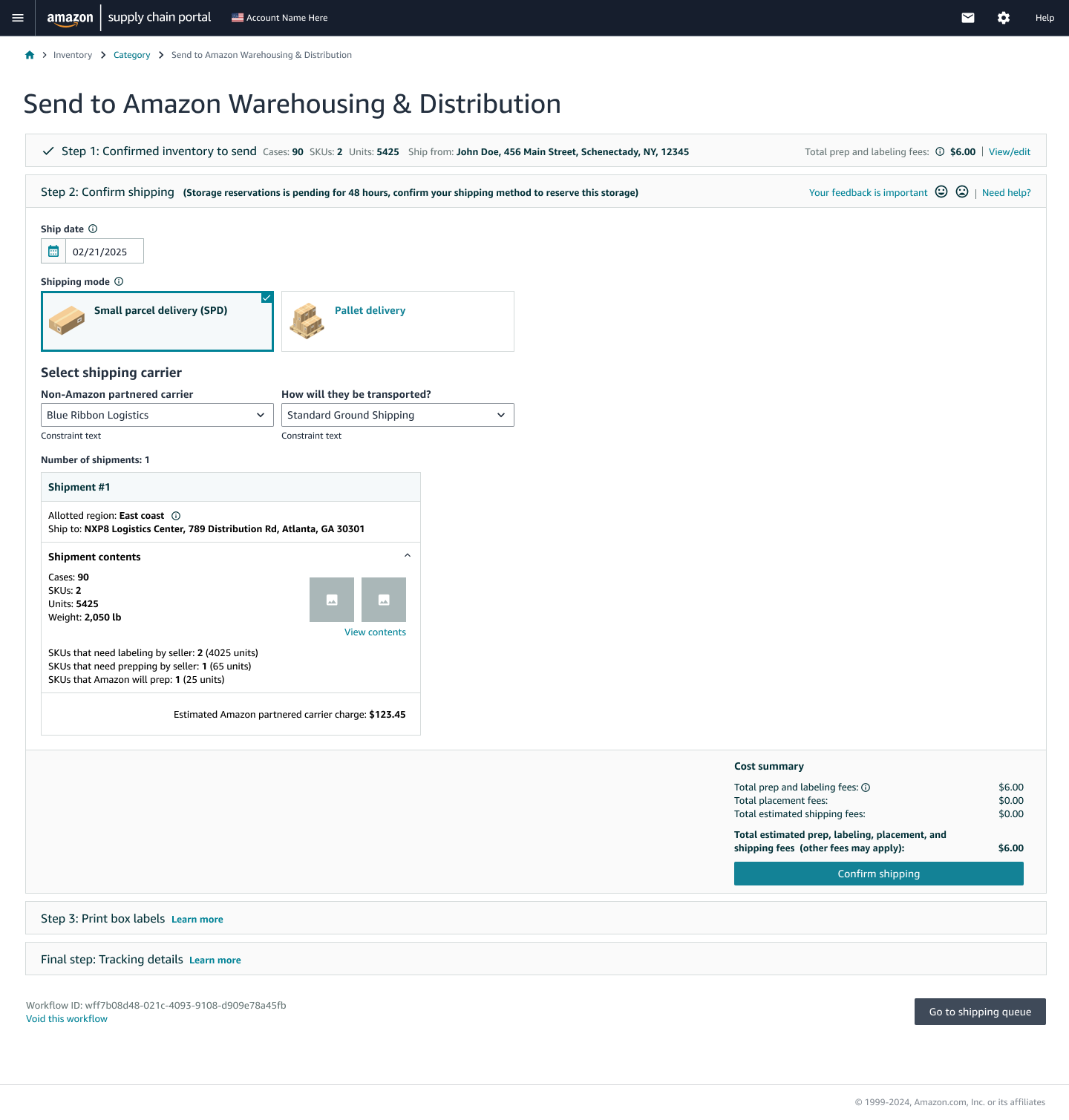
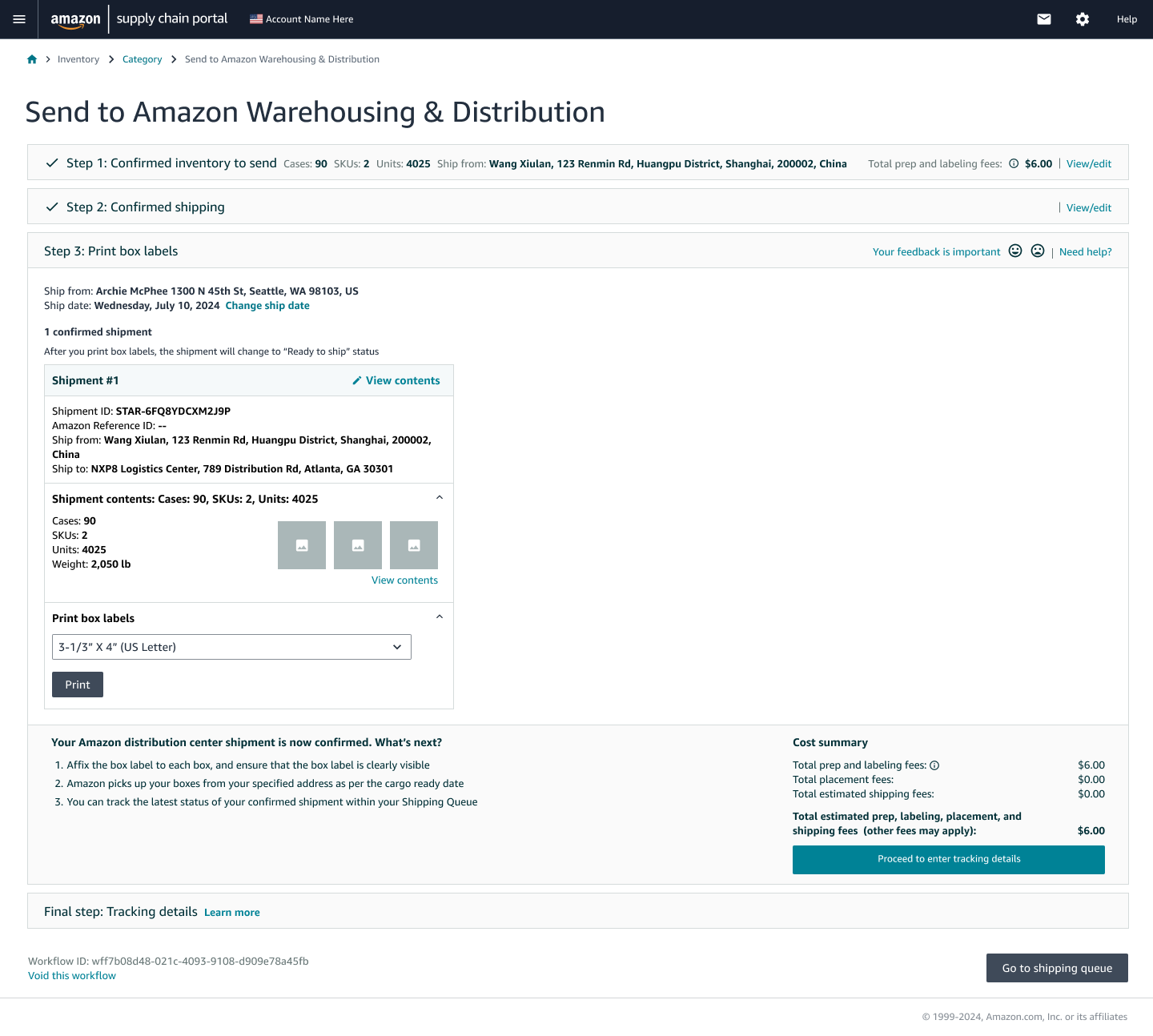
A new approach was needed to obtain accurate Fulfillment by Amazon (FBA) inbound information, minimize repetitive tasks, upsell partnered carrier transportation and adapt to Amazon’s supply chain improvements and evolution.
Working at Amazon, I was presented with the challenge of optimizing inbound workflows that were struggling to keep pace with the demands of fulfillment centers. My solution involved a creative, UX-centered redesign of the system and its underlying technology.
This creative, UX-centered approach aimed to achieve three primary goals: drastically reduce 'receive failures' to optimize efficiency, simplify the workflow to minimize errors and cognitive burden, and ultimately, boost overall seller satisfaction by providing a seamless and intuitive experience.

To truly understand the customer experience, I went beyond theory and became an active seller on Amazon, both domestically and globally. This firsthand immersion, involving personal investment and time, provided invaluable insights into the sellers' perspective, pain points, and overall journey.
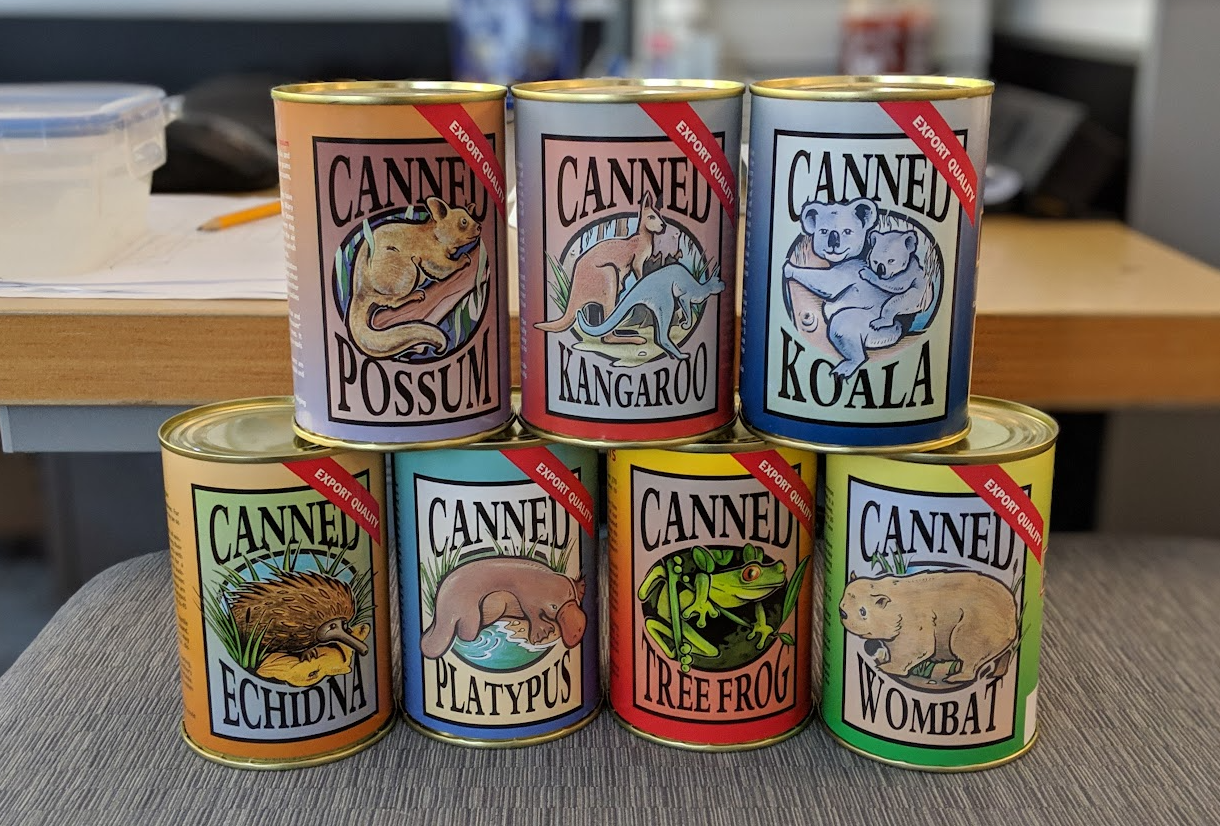
To gain experience with international trade, I sourced a supplier in Australia specializing in canned goods. This process provided valuable insights into importing procedures, including navigating customs regulations and managing logistical challenges.
I imported these from Australia to sell in the US (Inside each can was actually a fluffy toy)
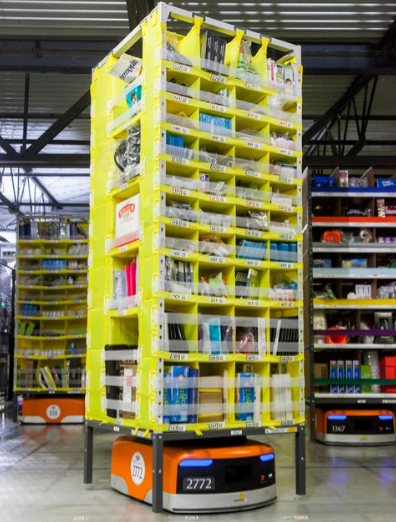
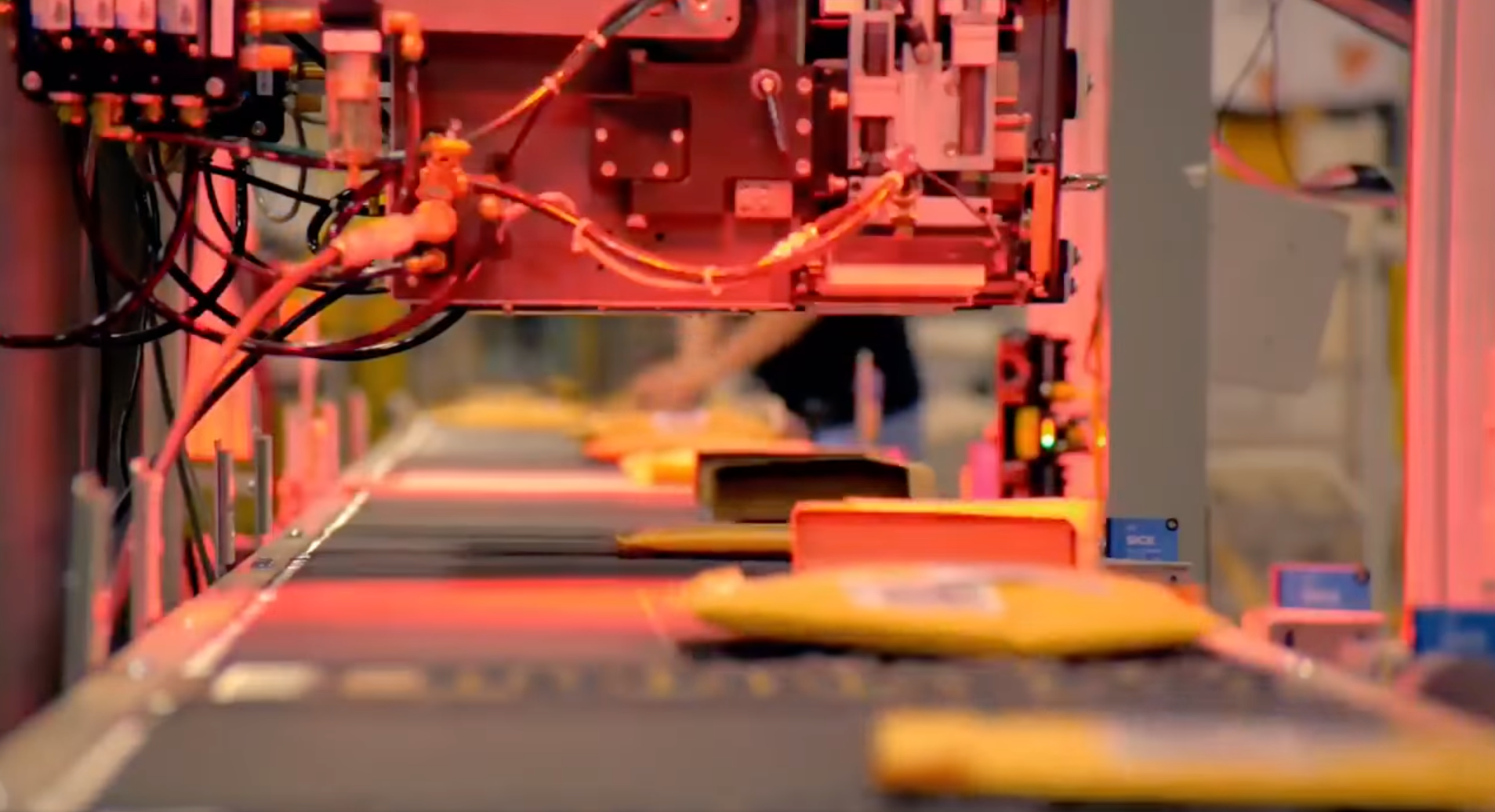
This image shows the Problem Solve area, a key point of interaction between sellers and Amazon's fulfillment network
Inefficiencies with the Existing "Unified Shipping Workflow (USW)":
Seller Pain Points:
Improvements:

Research & Analysis:
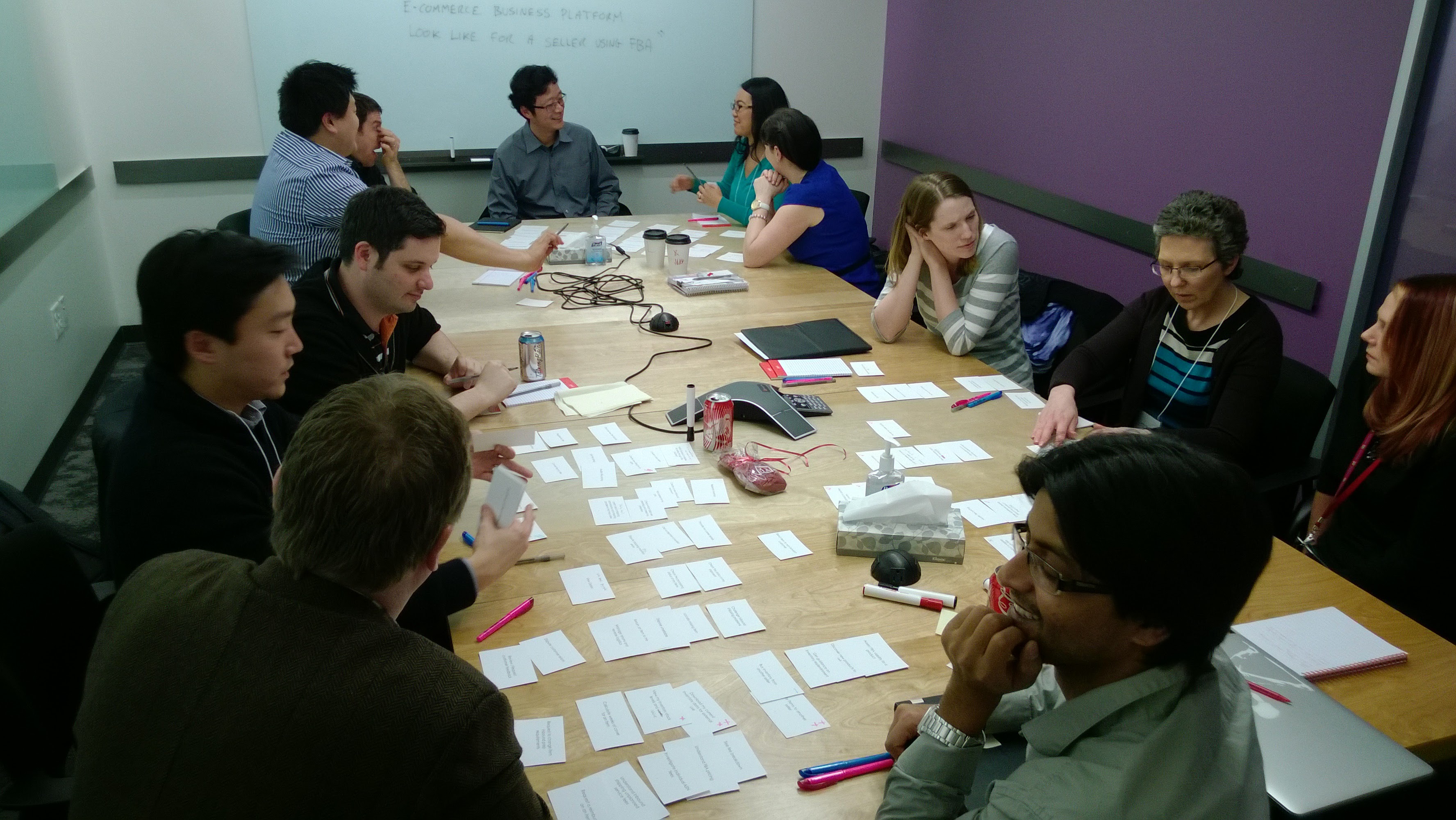
Card sort sessions was one of many engagements with active Sellers

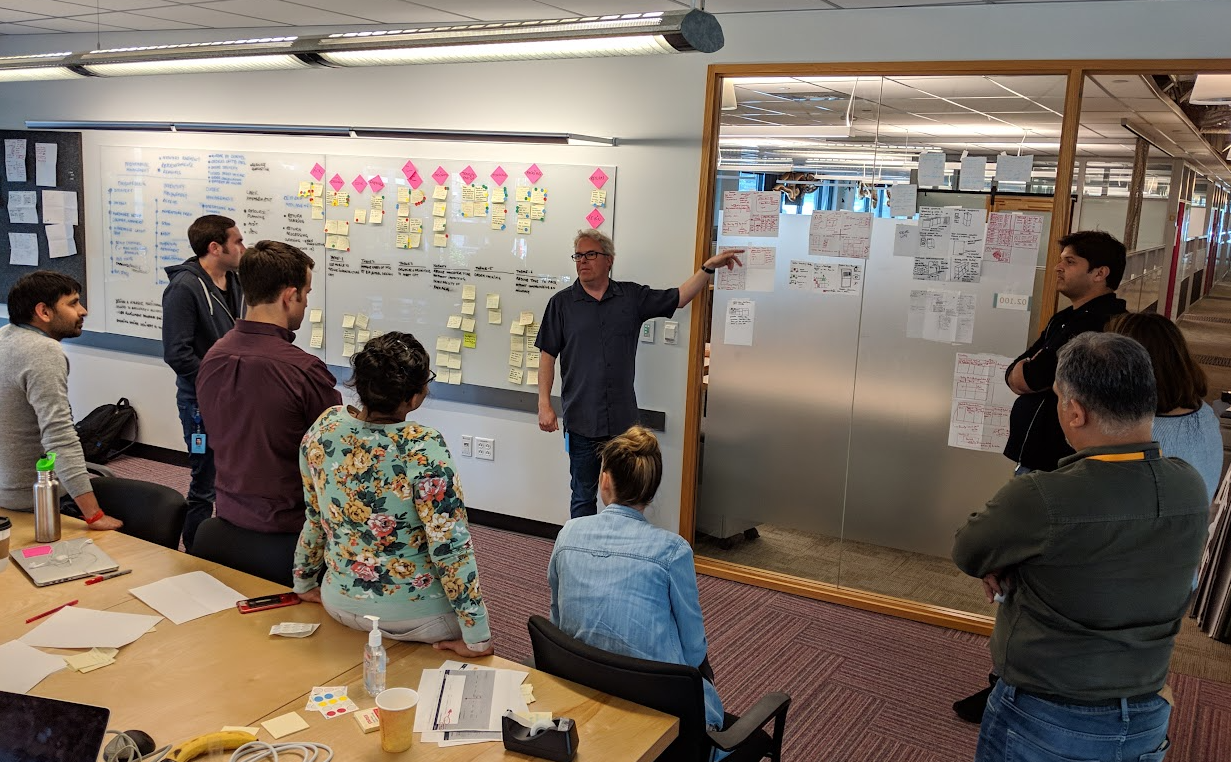
Multiple workshops spanning multiple teams
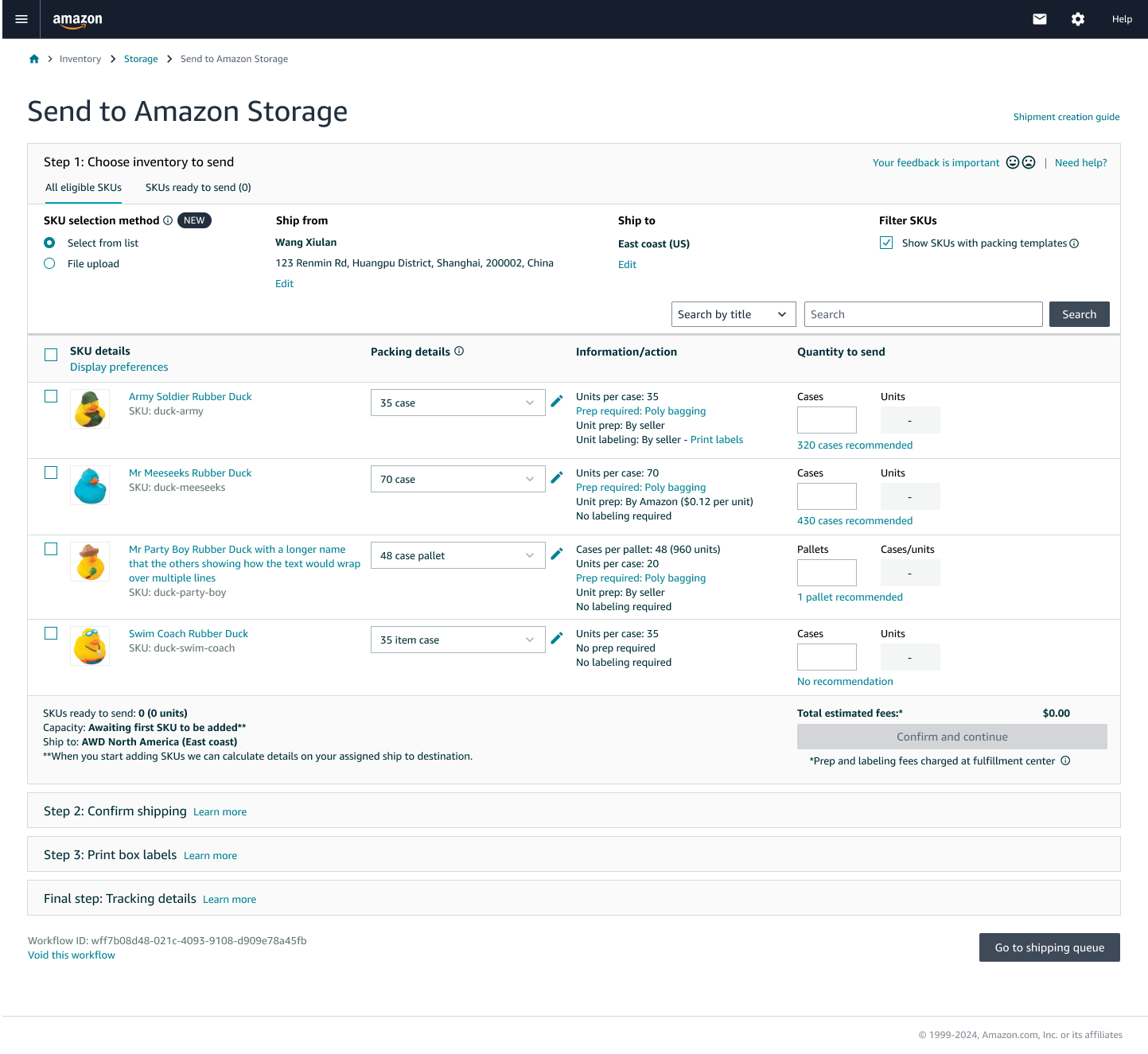
Project Outcomes & Key Components: